

Why Christian Apparel Costs More Than Retail Clothing
Posted by Editorial Team on on 8th Nov 2026
Quick Summary
Christian apparel usually costs more than retail basics because smaller print runs spread setup costs over fewer shirts, and brands often choose heavier fabric, custom artwork and printing methods. Mass retailers order huge volumes of simple blanks, which keeps prices low. Buyers can judge the premium by cost per wear and by comparing garments with similar fabric weight and construction.
- Small batches spread fixed setup costs such as screens and print files over fewer garments.
- Heavier fabric costs more to source, and heavyweight hoodies show the clearest price premium.
- Custom design work and printing are separate costs that mass-market basics usually avoid.
- Divide the price by expected wears to compare the true cost of a shirt or hoodie.
- Ethical manufacturing claims are best checked for named factories and recognized audit programs.
Table of Contents
- What Christian Apparel Actually Costs Compared to Retail Basics
- Small-Batch Production and Limited Runs Raise Per-Shirt Costs
- Fabric Weight, Quality and Durability Add to the Price
- Printing, Custom Design and Ethical Manufacturing Costs
- Christian Streetwear and Hoodies: Where the Premium Shows Up Most
- Is Christian Apparel Worth the Price? A Value Check
- Choosing a Christian Hoodie or Tee That Holds Up Over Time
- Frequently Asked Questions
What Christian Apparel Actually Costs Compared to Retail Basics
Last Updated: November 8, 2026
If you've ever wondered why a faith-based tee costs more than a basic shirt at a big-box store, you're asking the right question. The honest answer comes down to how and why the garment is made. Christian apparel is a small corner of a much larger industry, and its prices reflect choices about production, fabric, and design that mass-market retailers simply don't make.
Christian apparel is faith-based clothing, from graphic tees and hoodies to hats that carry scripture or faith-centered messages. Some buyers want a message they can wear. Others want a brand that gives back. Either way, the price usually sits above what a plain basic tee costs at a discount retailer.
Here is what the gap looks like in general. Retail basics are often engineered for volume: large runs, thin margins, and fabric chosen for low cost. Specialty apparel makers, by contrast, commonly run smaller batches and use heavier fabric. For a closer look at these cost drivers, see why premium faith-based t-shirts cost more. Those differences add up quickly, so a shirt that looks similar on the rack can cost noticeably more to produce.
Small-Batch Production and Limited Runs Raise Per-Shirt Costs
Volume is the single biggest reason Christian apparel costs more. A mass retailer might order tens of thousands of identical blanks, spreading setup costs across every unit. A smaller brand running limited quantities cannot get that discount.
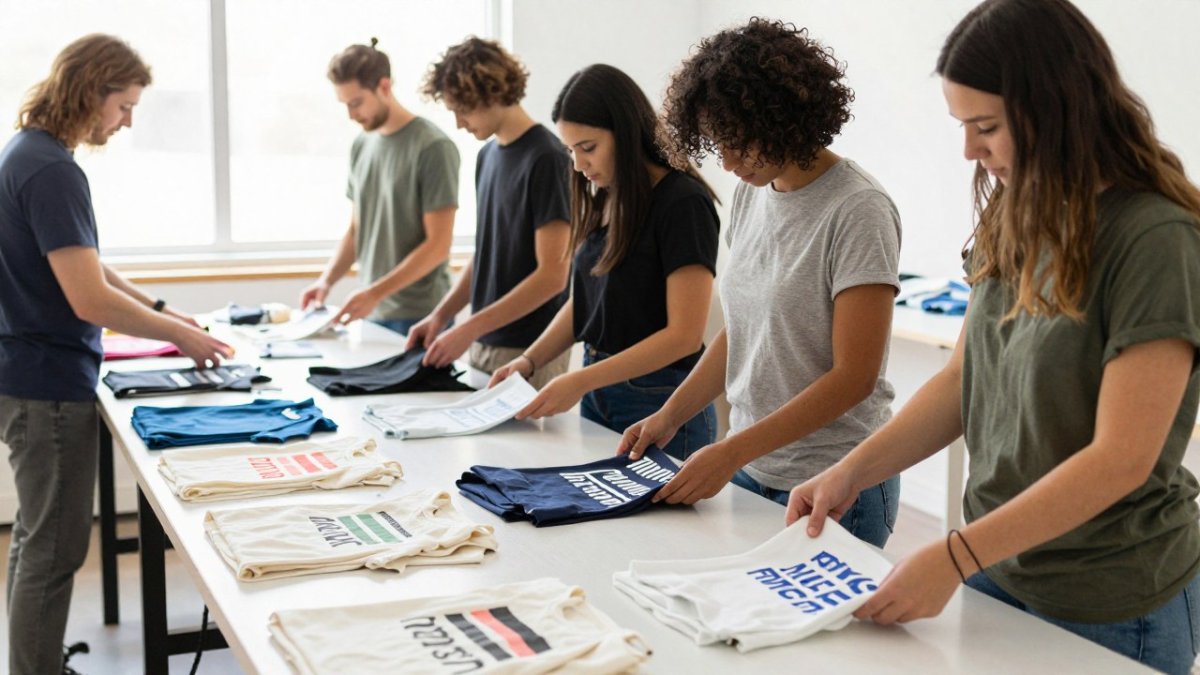
Setup costs are largely fixed. Screens, print files, and sample approvals cost roughly the same whether you print 50 shirts or 500, so dividing them across fewer garments raises the per-shirt price.
Small batches can have an upside for buyers, since smaller runs let brands test designs before committing. The tradeoff is that you may pay a bit more per item in exchange for designs that are not sitting in every big-box aisle.
Fabric Weight, Quality and Durability Add to the Price
Fabric is where the difference is easiest to feel. Garment weight is commonly measured in ounces per square yard, and heavier fabric generally costs more to source. A heavyweight hoodie uses substantially more material than a lightweight fashion hoodie. Compare a concrete example in this heavyweight military green camo hoodie with raised puff logo.
Construction matters too. Seam quality, stitch density, and fabric blends all affect how a garment holds up after repeated washing. Cheaper shirts often shrink or lose their shape faster, which is why a higher upfront price can reduce how often you need to replace them.
Quality-focused brands generally choose fabrics for comfort and longevity rather than the lowest possible cost. That choice raises the price, but it can help a well-made piece outlast several cheaper alternatives.
Printing, Custom Design and Ethical Manufacturing Costs
Printing is a cost driver with a visible paper trail, which is why it is one of the easiest places to see where a premium comes from. The main variables are the decoration method, the number of colors, the number of print locations, and the order quantity.
Screen printing generally carries a setup cost per color per location, since a screen has to be prepared and test-printed before a run starts. That setup is largely fixed, so the same print spreads over far fewer units on a small run than on a large one. Other decoration methods carry their own cost structures, and each added color or location is a real line item.
Design work is a separate cost. Original artwork, type treatment, and sample revisions consume creative hours before a garment is produced. Brands that commission original work are paying for that labor, which is typically spread across a smaller run than a mass-market volume.
Buyers should scrutinize ethical manufacturing claims closely, because they are often asserted and less often documented. Fair wages, safe facilities, and responsible sourcing can raise the per-unit cost above the lowest-bid factory, and the size of that premium depends on the factory and the brand's auditing practices.
Keep in mind that a brand can claim "ethical manufacturing" without third-party verification, and the phrase has no fixed legal definition in apparel marketing. Buyers who want evidence can look for a named factory or supplier, a recognized audit or certification program, and a published wage or sourcing statement.
Labor is often one of the largest costs in a cut-and-sew garment, since cutting, sewing, finishing, printing, and packing all require people. Asking a brand directly about its manufacturing partners and wage practices is a reasonable way to check where the cost goes.
Christian Streetwear and Hoodies: Where the Premium Shows Up Most
In general, the price gap tends to be widest on heavier pieces. A standard graphic tee may carry a modest premium, while a heavyweight hoodie with custom printing and quality construction shows the difference more clearly.
Hoodies also use more fabric and more labor per unit. If you want to see how modern Christian streetwear looks beyond traditional graphic tees, explore modern alternatives to traditional Christian graphic tees. That makes them the category where production choices have the biggest impact on price. Shoppers who value a durable, comfortable piece for regular wear often see the premium as worth it.
The price gap varies by garment, and it tends to be widest on heavier pieces.
| Garment | Premium level | Why |
|---|---|---|
| Standard graphic tee | Modest premium | Lighter fabric and simpler print |
| Heavyweight hoodie | Clearest premium | More fabric, more labor, custom printing |
Is Christian Apparel Worth the Price? A Value Check
Whether the premium is worth it depends on what you want from the purchase, and the judgment gets clearer when you replace vague questions with measurable ones. The most useful single measure is cost per wear: divide the price by the number of times you realistically expect to wear the item. A $30 tee worn 60 times costs about $0.50 per wear; a $12 tee worn 15 times before it fades or shrinks costs about $0.80 per wear. The cheaper shirt can be the more expensive purchase per use, and the math only works if you are honest about how often you will actually reach for it.
A like-for-like comparison is the second check. Compare garments with similar fabric weight, construction, print method, and production conditions rather than contrasting a boutique heavyweight hoodie with a generic mass-market basic. A 8.5 oz. fleece hoodie with a multi-color screen print is not the same product as a lightweight promotional hoodie with a one-color transfer, so the price gap between them reflects different inputs, not just different margins. When you compare two garments built to the same spec, the premium usually narrows to the small-batch, labor, and design costs described above.
Durability is measurable too. Fabric weight in ounces per square yard, seam type (single-needle versus double-needle, taped neck and shoulders), stitch density, and print method all predict how a garment survives washing. Heavier cotton and fleece generally hold their shape longer, and screen-printed graphics typically outlast heat-transfer prints that crack and peel. Check the care label: cold washing and air drying extend the life of most printed garments, and a brand that publishes care guidance is usually one that expects the piece to last.
Values can be part of the value, but they should be verifiable. You can browse faith based hoodies from brands that give back to see designs tied to charitable causes. If a brand's giving or manufacturing commitments matter to you, look for named causes, clear reporting, and documentation rather than vague promises. Learn how to verify charity donations from apparel brands before trusting cause marketing claims.
Cheaper options exist, and they are legitimate. Discount retailers and secondhand shops can offer Christian-themed shirts for less, and sale cycles can narrow the gap on premium items. The tradeoff is usually fabric quality, print durability, and how much of your purchase supports a specific cause. Buying fewer, better pieces can be a cost-effective approach: a few well-made hoodies and tees can replace a closet full of cheap shirts that fade and fray.
Choosing a Christian Hoodie or Tee That Holds Up Over Time
If you want apparel that lasts, start with these checks:
- Check the fabric weight. Heavier cotton or fleece generally lasts longer and holds its shape.
- Look at the construction. Reinforced seams and tight stitching matter more than the logo.
- Read the print details. Ask whether the print is screen-printed, raised, or applied, and how it is cared for.
- Consider the care instructions. Cold washing and air drying extend the life of most printed garments.
- Pick designs you will keep wearing. A message you believe in is more likely to stay in rotation.
Buying fewer, better pieces can be a cost-effective approach. A few well-made hoodies and tees can replace a closet full of cheap shirts that fade and fray. If you're shopping for a gift, choose sizing carefully, since heavyweight fabrics fit differently than lightweight tees.
Frequently Asked Questions
Why does Christian apparel cost more than regular retail clothing?
Christian apparel is often made in small batches, which spreads fixed costs such as design, screen setup and sample approval over fewer units. Heavier fabrics, direct printing and ethical sourcing add further expense. Mass-market retailers avoid many of these costs through very large production runs and low-cost overseas labor. Prices also reflect brand overhead, including marketing, shipping and returns. Comparing a shirt's fabric weight, print method and sourcing against a basic retail tee gives a clearer sense of where the difference comes from.
Is Christian apparel worth the price?
It depends on what you value. A heavier, better-constructed garment with a durable print can last longer than a thin retail tee, which lowers its cost per wear. Buyers who care about the message, the brand's mission or fair labor practices may consider the premium a reasonable trade-off. Buyers who only want a basic shirt for everyday wear may find a retail option sufficient. Checking fabric weight, print quality and return policies before buying helps you decide.
What should I look for in a quality Christian hoodie?
Look for fabric weight listed in ounces per square yard, since heavier fleece generally holds its shape better through repeated washing. Check seam construction, especially at the shoulders and cuffs, and look for print methods described as durable rather than thin vinyl. Ask whether the brand publishes sourcing or manufacturing details. Reading customer reviews that mention shrinkage or fading after several washes can also show how a hoodie performs over time.
Does buying Christian apparel support charitable causes?
Some Christian apparel brands direct a share of sales to charitable work, but the amount and recipients vary by company. Love Revolt Clothing states that purchases support causes including schools, churches, clean water projects in Africa and Down Syndrome awareness. Before buying for a cause, ask any brand how much of each sale goes to charity and whether it publishes that information.
