

Why Premium Faith-Based T-Shirts Cost More
8th Oct 2026
Table of Contents
- What Makes Premium Faith-Based T-Shirts Different
- Fabric Quality and Heavyweight Cotton T-Shirts
- Ethical Clothing Manufacturing Standards in Faith-Based Apparel
- Design Complexity and Printing Techniques
- The Impact of Charitable Giving in Fashion
- Cost Per Wear and Long-Term Value
- Why Identity Expression Commands Premium Pricing
- Frequently Asked Questions
Last Updated: September 27, 2026
What Makes Premium Faith-Based T-Shirts Different
Premium faith-based t-shirts stand apart from mass-produced apparel through material selection, construction quality, and manufacturing standards. When you choose premium faith-based t-shirts, you're investing in garments engineered for longevity, comfort, and meaningful impact.
The core distinction rests on intentionality: mass-market apparel prioritizes volume and margin, while premium faith-based t-shirts prioritize durability, ethical production, and connection between wearer and purpose.
Fabric Quality and Heavyweight Cotton T-Shirts
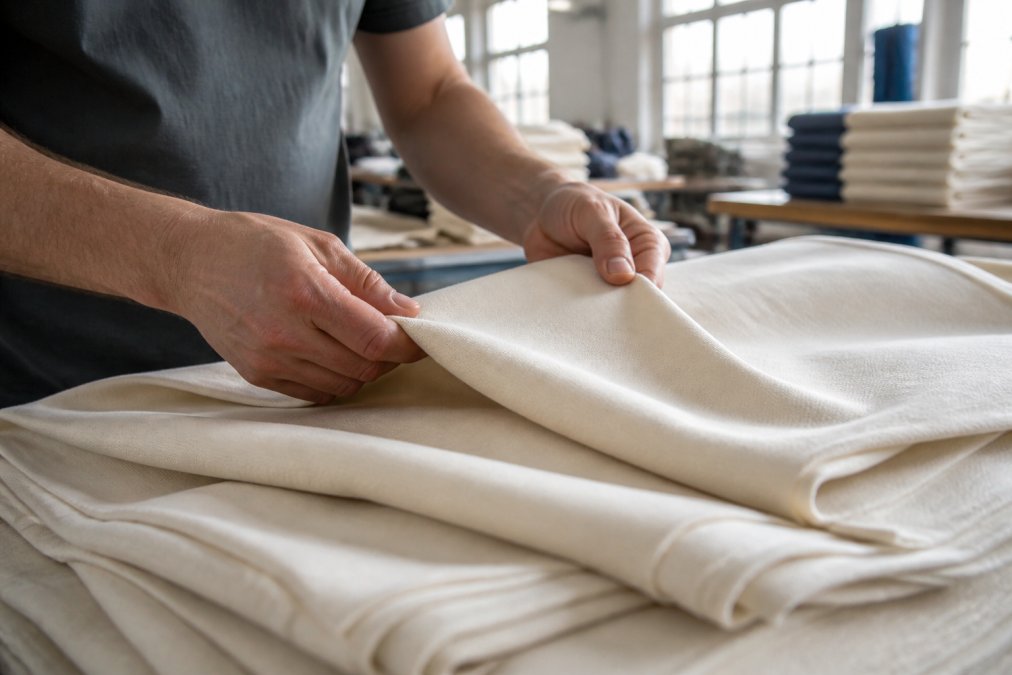
The foundation of any premium t-shirt is the fabric itself, and heavyweight cotton represents the gold standard for apparel longevity. Unlike lightweight alternatives that thin and pill after repeated washing, heavyweight cotton maintains its structure, color, and comfort across dozens of wash cycles.
Understanding GSM and Durability
GSM, grams per square meter, separates commodity apparel from durable basics. Standard mass-market t-shirts typically measure 150-180 GSM. Premium heavyweight cotton t-shirts range from 200-250 GSM, creating fabric that feels substantial, drapes properly, and resists degradation.
A 200 GSM shirt maintains its shape after washing. The neckline doesn't stretch, and the fabric doesn't pill at stress points. After fifty washes, the shirt still looks intentional. Higher GSM also affects comfort, structured fabric provides better support and definition without clinging awkwardly. For faith-based apparel where the design carries meaning, proper fabric weight ensures the message remains clear and wearable.
Ethical Clothing Manufacturing Standards in Faith-Based Apparel
The manufacturing process determines whether a premium price reflects genuine quality or marketing. Ethical clothing manufacturing standards ensure that people producing your shirt work in safe conditions for fair compensation, which correlates directly with quality control.
Fair Labor and Supply Chain Transparency
Facilities operating under ethical clothing manufacturing standards implement rigorous quality checks at every production stage. Workers have time to do their jobs properly rather than racing through quotas. Seams are reinforced, print quality is verified, and defective pieces are rejected rather than shipped to customers.
This contrasts sharply with commodity production, where speed overrides precision. A factory producing 10,000 shirts per day per worker cannot maintain the same quality standards as one producing 2,000. Fair labor practices also mean lower turnover and more experienced workers who develop institutional knowledge about quality and take pride in their work.
Supply chain transparency, knowing exactly where fabric comes from and how it's processed, allows companies to select materials based on performance rather than cost alone. This is where premium faith-based t-shirts diverge fundamentally from competitors chasing margin.
Design Complexity and Printing Techniques
The visual component of faith-based apparel requires precision that impacts both cost and longevity. Screen printing and embroidery demand skilled labor and careful execution, with real differences emerging only after repeated washing.
Screen Printing: Durability Through Ink Bonding
Screen printing involves creating separate screens for each color, then layering ink precisely onto the fabric. Premium screen printing uses plastisol or water-based inks formulated to cure at 320-330°F, creating a permanent bond with cotton fibers. After 50 washes, the design remains sharp and vibrant. After 100 washes, there is minimal fading.
Commodity printing often uses lower-quality inks or undercures them to save time and energy costs. These designs begin cracking after 10-15 washes and show significant degradation by 50 washes. The cost difference is substantial, premium screen printing adds $3-$5 per shirt versus $0.50-$1 for commodity printing, but the durability gap justifies the premium for regular wear.
Embroidery: Tactile Permanence
Embroidery stitches thread directly into the garment, creating tactile depth and permanence that screen printing cannot match. A well-executed embroidered design survives indefinitely because the threads are integral to the fabric structure.
Premium embroidery uses high-thread-count polyester thread and machines that maintain precise tension, creating uniform stitches that remain flat and professional after dozens of washes. Commodity embroidery often uses lower-quality thread or inconsistent tension, creating visible puckering and loose stitches that unravel over time. Embroidery costs $5-$12 per shirt for premium execution versus $2-$4 for basic work.
Multi-Color Registration and Precision
Design complexity affects pricing in ways consumers often misunderstand. A multi-color design with precise registration demands more setup time and skilled operators than a single-color design. Premium shops invest in registration systems that hold tolerances within 1/16 inch across all colors. Commodity shops often accept looser registration (1/8 inch or wider tolerances) to speed production, resulting in misalignment that looks amateurish.
For faith-based apparel where the design carries spiritual weight, this precision matters. A precisely executed design communicates respect for the message and the wearer.
Durability Testing: What Premium Actually Means
Premium screen-printed designs typically show minimal color loss (less than 5%) at 50 washes and less than 10% at 100 washes, with minimal or absent cracking. Premium embroidery shows no visible degradation at 100 washes. Commodity printing often shows 15-25% color loss at 50 washes and visible cracking by 75 washes.
A premium faith-based t-shirt worn twice weekly for five years undergoes roughly 500 washes. At that point, a premium design remains sharp and wearable. A commodity design has long since degraded to the point where the message is compromised.
The Impact of Charitable Giving in Fashion
When you purchase premium faith-based t-shirts with a charitable component, you're funding specific initiatives. Love Revolt Clothing supports initiatives including building schools and churches in underserved communities, drilling water wells in Africa, and supporting Down Syndrome awareness through partnerships with organizations like GiGi's Playhouse. This specificity creates accountability that vague "we give to charity" claims cannot match.
Managing charitable partnerships requires administrative overhead and impact verification. For mission-driven companies, this reflects values alignment with customers who view their purchases as votes for the kind of world they want to support.
Cost Per Wear and Long-Term Value
Premium pricing makes sense when evaluated across the lifespan of the garment. Cost per wear is the metric that transforms the conversation from "this shirt costs too much" to "this shirt costs less per wearing than alternatives."
Breaking Down the Premium Price
Heavyweight cotton costs more than lightweight fabric. Ethical manufacturing adds to labor costs. Precision printing adds to the cost per shirt. Administrative overhead for supply chain transparency and charitable partnerships also adds to the cost. Retailer margin typically runs 40-50%. The remaining funds brand operations, quality assurance, and sustainable practices.
This breakdown shows the premium reflects genuine material and operational differences.
Cost Per Wear: The Real Metric
Many customers report that premium faith-based t-shirts remain wearable after years of regular use. The premium option can offer better economics, before considering emotional value or charitable impact.
The Environmental Cost of Cheap Alternatives
The hidden cost of mass-market apparel is replacement frequency. A shirt that degrades after 15-20 washes forces repurchase. Over five years, you might buy 8-10 cheap shirts to replace one premium option. Each replacement involves new production, shipping, and packaging waste. Premium faith-based t-shirts reduce this cycle through durability, offsetting upfront environmental costs with years of use without replacement.
Why Identity Expression Commands Premium Pricing
Faith-based apparel serves a function beyond providing coverage, it's a statement communicating identity, values, and community affiliation. When someone chooses to wear faith-based apparel publicly, they're making a choice about how they present themselves to the world.
Premium faith-based t-shirts allow the wearer to express identity without compromise. The garment quality matches the significance of what's being communicated. This alignment between message, medium, and quality is what separates authentic identity expression from performative consumption. A shirt that falls apart after a few months doesn't just represent wasted money; it represents disrespect for the values being expressed.
Premium faith-based t-shirts cost more because they deliver more. Higher-quality materials, ethical manufacturing, thoughtful design, and charitable impact all contribute to a product that serves purposes beyond basic coverage. When you evaluate pricing through cost per wear, environmental impact, and values alignment, premium options become economical. Love Revolt Clothing offers apparel combining heavyweight construction, ethical production, designs with meaning, and direct support for causes that matter. Choosing premium faith-based t-shirts means investing in garments that last, companies that operate with integrity, and impact that extends beyond what you wear.
Frequently Asked Questions
What is the difference between premium faith-based t-shirts and regular mass-produced ones?
Premium faith-based t-shirts use higher-quality fabrics like heavyweight cotton (typically 180-200+ GSM), ethical manufacturing practices, and durable construction methods like reinforced seams and fade-resistant printing. Mass-produced alternatives often use lighter fabrics, cheaper labor, and faster production processes that compromise longevity. Premium options are designed to last through hundreds of washes while maintaining color and fit, making them better investments despite higher upfront costs.
How do ethical clothing manufacturing standards affect the price of faith-based apparel?
Ethical manufacturing standards require fair wages, safe working conditions, and transparent supply chains, all of which cost more than conventional production. Brands committed to these standards pay factory workers fairly, invest in worker safety, and maintain traceability throughout production. These practices align with faith-based values around stewardship and human dignity, but they add 15-30% to production costs. When you purchase ethically made apparel, you're paying for integrity in how the garment was created.
What percentage of my purchase goes to charity when buying premium faith-based t-shirts?
The amount varies by brand and product. Some faith-based apparel companies donate a fixed percentage per sale, while others contribute a portion of profits after covering production and operational costs. To understand the actual impact, look for brands that publish transparent donation reports and specify which causes receive funding. Love Revolt Clothing is committed to transparency in its charitable giving. This transparency helps you make informed decisions about whether your purchase aligns with your charitable priorities and values.
Is it worth paying more for premium faith-based t-shirts if I can buy cheaper alternatives elsewhere?
Premium faith-based t-shirts offer better cost per wear because they last longer without shrinking, fading, or losing shape. Beyond durability, premium options support your values through ethical production and charitable impact. If identity expression, quality, and supporting meaningful causes matter to you, the higher price reflects genuine value rather than just a brand markup.