

Modern Faith Apparel: Quality, Values & Impact
8th Oct 2026
Table of Contents
- What Makes Quality Faith Apparel Different
- Understanding Ethical Faith Fashion
- How to Choose Sensory Friendly Fabrics for Kids
- Mission-Driven Clothing Brands and Their Impact
- Modern vs. Traditional Design Aesthetics
- Apparel for Different Demographics and Needs
- Care Instructions for Long-Term Durability
- Why Faith Expression Through Clothing Matters
- Frequently Asked Questions
Last Updated: October 2, 2026
What Makes Quality Faith Apparel Different
Quality faith apparel starts with materials and construction that hold up. The difference between a shirt lasting two years versus five washes comes down to fabric weight, print durability, and assembly. When investing in apparel representing your values, you deserve pieces that won't fade, shrink, or fall apart.
Fabric Quality and Durability Standards
Premium fabrics make an immediate difference. Look for 100% cotton or heavyweight cotton (6 ounces or higher) that resists pilling and maintains shape through repeated washing. Double-stitched seams, reinforced collar bands, and quality thread prevent unraveling and splitting. When examining high-quality faith apparel, seams should be straight, tight, and consistent. Loose or uneven stitching signals corners cut in manufacturing.
Printing Techniques That Last
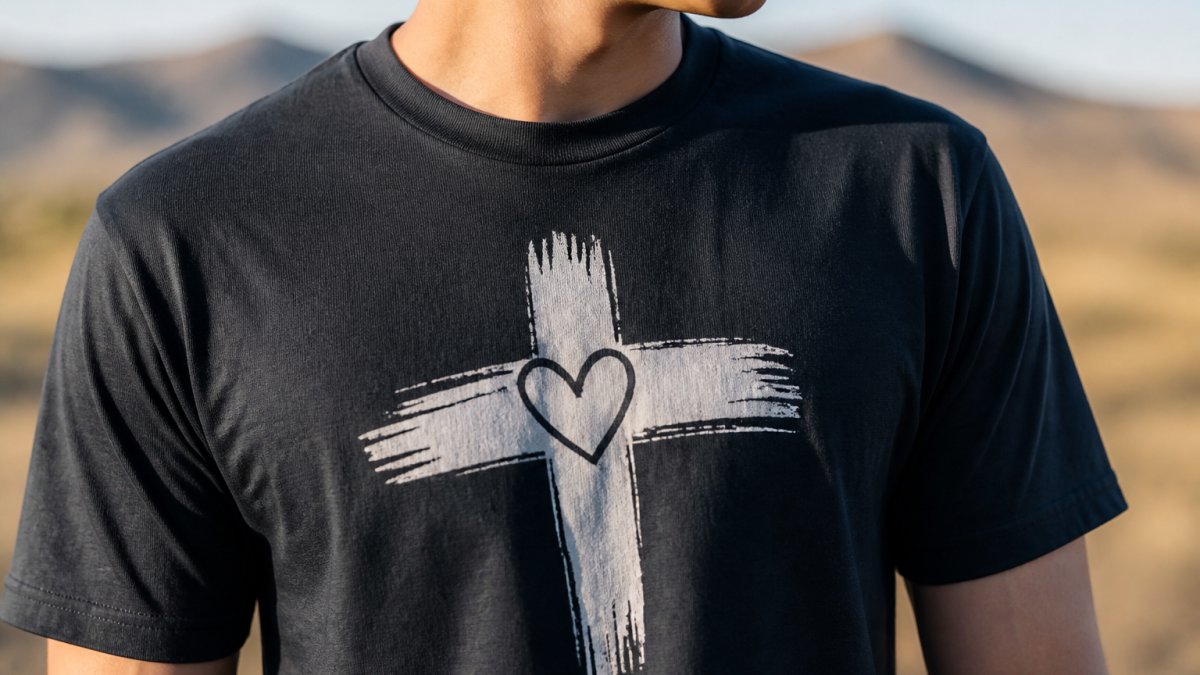
Screen printing applies thick ink layers that bond to fabric, creating prints that withstand 50+ wash cycles without significant fading. The best faith apparel brands invest in quality ink formulations that resist cracking and peeling. Plastisol inks, commonly used in screen printing, provide durability when applied correctly. Professional manufacturers control ink thickness precisely, ensuring prints remain vibrant through years of wear and washing.
Understanding Ethical Faith Fashion
Ethical faith fashion connects your purchasing power to real impact. When you buy from mission-driven clothing brands, your money funds charitable initiatives, supports fair labor practices, and reinforces values that matter to you.
Transparency in Manufacturing and Sourcing
The strongest faith apparel companies publish detailed information about where and how their garments are made. Look for brands that name their manufacturers, explain labor practices, and disclose material sourcing. Reputable brands provide fabric certifications from recognized organizations verifying that materials meet environmental and safety standards. Manufacturing location matters too, brands that produce domestically often maintain stricter quality control and labor standards.
Verifying Charitable Impact Claims
Mission-driven clothing brands should publish annual impact reports showing exactly where donations go. Specific numbers, how many wells drilled, schools built, or individuals supported, demonstrate real commitment. The most trustworthy brands partner with established nonprofits and allow third-party verification of their charitable work. Ask direct questions before buying: What percentage of proceeds goes to charity? How are funds distributed? Can you see documentation of past donations? Legitimate mission-driven brands answer these questions transparently.
How to Choose Sensory Friendly Fabrics for Kids
Parents of children with sensory sensitivities understand that fabric choice directly impacts comfort and wearability. Sensory-friendly apparel requires specific design choices that most standard manufacturers ignore.
Identifying Comfort Features for Sensitive Skin
Soft, breathable fabrics are non-negotiable for sensory-sensitive children. Look for organic cotton or cotton-rich blends that feel gentle against skin. Lightweight fabrics (under 5 ounces) feel less restrictive and reduce the sensation of clothing touching skin. Flatlock seams and seamless construction eliminate the irritation that traditional seams create.
Tag-Free and Seam-Conscious Design
The best sensory-friendly apparel uses tag-free printing or printed labels directly on the garment, eliminating constant irritation. Flat-fell seams, bound seams, and French seams create smooth finishes that don't irritate skin. Examine the inside of the garment, rough, exposed stitching is a deal-breaker for sensitive children. Softer collar alternatives, like rolled or bound necklines, reduce neck irritation.
Mission-Driven Clothing Brands and Their Impact
The faith apparel market has grown because consumers want their purchases to align with their values. Mission-driven brands go beyond selling clothes; they create community and fund real change.
How Charitable Giving Works in Faith Apparel
Most mission-driven brands donate a percentage of sales to charitable causes rather than collecting donations separately. Fixed-amount models (a specific dollar amount per shirt) are easier to calculate and verify. The strongest brands publish annual reports detailing total donations, causes funded, and measurable outcomes. Love Revolt Clothing supports specific initiatives like building schools and churches in Africa and drilling water wells, plus Down Syndrome awareness through partnerships with established organizations.
Supporting Community Initiatives Through Purchases
When you buy from mission-driven brands, you're funding initiatives that extend far beyond apparel. Faith-based clothing companies often support local nonprofits alongside international causes. The strongest brands maintain long-term partnerships with nonprofits, ensuring consistent funding and sustained impact. Purchasing from mission-driven brands also supports the businesses themselves, often veteran-owned or family-operated enterprises with their own stories.
Modern vs. Traditional Design Aesthetics
Faith apparel design has evolved dramatically. Today's faith apparel blends biblical values with contemporary style, making it wearable for everyday contexts.
Subtle Messaging for Everyday Wear
Modern faith apparel uses minimalist design, clever wordplay, and visual symbolism instead of explicit religious imagery. A shirt with a subtle reference that resonates with believers but doesn't announce faith to strangers appeals to people who want to express values without constant evangelism. Minimalist design principles, clean typography, and understated graphics make faith apparel feel contemporary rather than churchy. Neutral palettes (black, gray, navy, white) with accent colors create versatile pieces that integrate into existing wardrobes.
Urban Military Style and Contemporary Fit
Urban military aesthetics combine tactical design elements with street style sensibility. This approach appeals to people who value strength, discipline, and purpose, qualities that align with faith commitment. Contemporary fits use tailored silhouettes that flatter different body types without being form-fitting or uncomfortable. Faith apparel that works with jeans, work pants, and casual outfits gets maximum wear.
Apparel for Different Demographics and Needs
Quality faith apparel serves entire families and recognizes that different people have different needs.
Options for Men, Women, and Families
Men's faith apparel often emphasizes durability and practical style. Women's faith apparel balances style with comfort, offering fitted and relaxed options with thoughtful necklines and proportional graphics. Family-focused apparel creates opportunities for coordinated looks without requiring exact matches, strengthening family identity while allowing individual expression.
Size Inclusivity and Fit Guides
True inclusivity means offering extended sizes that fit well, not just extended sizes that exist. Brands committed to accessibility provide detailed fit guides, size charts with actual measurements, and customer reviews describing how pieces fit on different body types. Fit variations across sizes matter significantly, a size XL shouldn't be a scaled-up small. Return policies and customer service support inclusive sizing, allowing customers to try pieces and return easily if fit isn't right.
Care Instructions for Long-Term Durability
Wash in cold water to prevent color fading and fabric shrinkage. Turn printed pieces inside-out before washing to protect prints from friction. Use gentle detergent formulated for colored fabrics. Air-dry whenever possible, dryer heat accelerates fading and can crack prints. Avoid bleach, fabric softener, and harsh chemicals that damage fibers and prints.
Why Faith Expression Through Clothing Matters
Clothing is one of the most visible ways we communicate identity and values. Faith apparel transforms that daily choice into purposeful expression. When you wear pieces reflecting your beliefs, you're making a statement about what matters to you.
Faith-based apparel creates community among believers. Subtle designs foster community among those who understand the reference while respecting those who don't. Wearing faith apparel serves as a personal reminder, every time you put on a piece, you're reinforcing your commitment to the values it represents. Mission-driven apparel adds another layer of meaning: when your clothing purchase directly funds charitable work, you're extending your values beyond personal expression into tangible community impact. The quality of your faith apparel matters because pieces you love actually get worn.
Finding faith apparel that combines quality, values alignment, and authentic style requires looking beyond surface-level marketing. The best pieces come from brands transparent about manufacturing, committed to charitable impact, and invested in design that actually works in everyday life. Love Revolt Clothing delivers on all three fronts, offering high-quality apparel with urban military aesthetics that support meaningful causes like clean water initiatives in Africa and Down Syndrome awareness. When you choose apparel that reflects both your faith and your commitment to impact, you're investing in pieces that matter beyond the closet.
Frequently Asked Questions
What defines high-quality faith-based apparel?
High-quality faith apparel combines premium fabric construction (like 100% cotton or quality blends), durable screen printing or embroidery, and thoughtful design that balances faith messaging with modern aesthetics. Look for brands that specify their fabric weight, printing method, and care instructions. Quality pieces maintain color and shape after multiple washes, have reinforced seams, and use inks that resist fading. Many mission-driven clothing brands prioritize these standards because durability extends the life of your investment and the impact of your purchase.
How do mission-driven clothing brands support charitable causes?
Mission-driven clothing brands typically allocate a portion of each sale to specific charitable initiatives. Reputable brands publish transparency reports showing where donations go, whether that's building schools and churches in Africa, drilling water wells, or supporting disability awareness organizations. Before purchasing, check the brand's website for concrete examples of funded projects, partner organizations they work with (like GiGi's Playhouse), and how frequently they update their community on impact. This transparency helps you understand exactly how your purchase contributes to causes you care about.
What should I look for in ethical faith fashion?
Ethical faith fashion considers both manufacturing practices and charitable impact. Examine whether the brand discloses their manufacturing location, labor practices, and material sourcing. Look for certifications or partnerships with established charitable organizations. Family-owned businesses often provide more transparency about their operations and values. Veteran-owned or disability-focused brands may align with specific community values. Read customer reviews about durability and print quality, since longer-lasting clothing reduces waste and maximizes the charitable benefit of your purchase over time.
Are sensory-friendly fabrics available in faith-based apparel?
Yes, some faith-based brands offer sensory-friendly options designed for individuals with sensory sensitivities or autism spectrum needs. Look for features like tag-free construction, flat seams, soft fabric blends without rough textures, and minimal embellishments. When shopping, check product descriptions for specific sensory accommodations. Brands that emphasize comfort and quality construction are more likely to have options suitable for sensory needs. Contact brands directly if their website doesn't specify sensory features.