

Authentic Christian Wear That Funds Global Humanitarian Efforts
8th Oct 2026
Table of Contents
- Why Christian Wear Matters as a Force for Humanitarian Change
- How to Verify Charitable Impact of Clothing Companies
- Christian Clothing Brands Supporting Veterans and Mission Work
- Evaluating Quality and Material Standards
- The Real Impact: From Water Wells to Down Syndrome Awareness
- Biblical Principles in Business Operations
- Making Your Purchase Decision
- Frequently Asked Questions
Last Updated: September 28, 2026
Why Christian Wear Matters as a Force for Humanitarian Change
When you buy a shirt, you're making a choice about what your money supports. Christian wear humanitarian efforts become a statement about your values and a tangible way to contribute to global causes with every purchase.
Love Revolt Clothing exemplifies this shift: a veteran-owned apparel company built on the principle that every garment sold directly supports meaningful causes, from drilling water wells in Africa to advancing Down Syndrome awareness and honoring veterans.
Not all mission-driven brands are created equal. Some use charitable claims as marketing theater; others genuinely embed impact into their business model. The difference matters if you want your purchase to actually move the needle on causes you care about.
How to Verify Charitable Impact of Clothing Companies
The biggest customer question is: "How do I know the money actually goes somewhere?" Many apparel companies make vague claims about "supporting causes" without showing the actual mechanism or measurable results. Most buyers don't know where to start when verifying these claims, and companies count on that uncertainty.
Real verification requires following the money trail from purchase to impact: understand the donation model, cross-reference claims with independent sources, and evaluate whether reported impact aligns with stated giving percentages.
The Verification Checklist: A Step-by-Step Framework
Before purchasing from any mission-driven apparel company, work through this verification process:
Step 1: Locate the Donation Model Find the company's explicit statement about how much of each purchase goes to charity. Red flag: if the percentage is buried in fine print, the company isn't confident in their model. Legitimate brands state this clearly, "15% of every sale," "$5 per shirt," or "100% of profits after operational costs."
Step 2: Identify Named Partners The company should name specific non-profit organizations or projects they support.
Red Flags That Signal Performative Marketing
Certain patterns reveal when charitable claims are mostly marketing noise rather than genuine commitment. Watch for these warning signs:
- Vague donation language: "A portion of proceeds" without specifics.
- No named partners: Generic references to "helping communities" instead of naming actual non-profits.
- No impact metrics: Claims about "making a difference" without showing results.
- Constantly changing causes: Rotating charities suggest marketing angles rather than core mission.
- No accountability structure: No published reports or third-party verification.
- Expensive apparel with tiny donations: If a $60 shirt only donates $2, the math doesn't support the mission claim.
- Partnership claims that non-profits don't confirm: Contact the non-profit to verify the relationship.
Supply Chain Ethics Beyond Donations
A company can donate to charity while exploiting workers in their supply chain. That's not alignment; that's contradiction. Ethical Christian apparel requires examining how garments are made: Are workers paid fairly? Do factories meet safety standards? Is material sourced responsibly? Mission-driven brands worth supporting investigate manufacturers, publish supplier lists, and explain labor standards. Ask: Can they name factories? Do they publish a supplier list?
Christian Clothing Brands Supporting Veterans and Mission Work
Veterans occupy a unique place in Christian communities. Apparel companies that genuinely support veterans go beyond surface-level patriotic messaging to address actual needs: mental health resources, job training, community connection, and financial stability. The best brands donate to veteran organizations, employ veterans directly, and are transparent about how much support reaches veterans versus operational costs.
What Sets Mission-Driven Apparel Apart
The difference between a brand that claims to support veterans and one that actually does comes down to specificity and consistency. Love Revolt Clothing's veteran ownership and transparent commitment to supporting service members demonstrates this integration. When the founder has personal skin in the game, incentives align. Distinguishing factors include direct employment of veterans, partnerships with established veteran non-profits, published metrics on veteran support, and pricing that reflects fair wages and quality.
Evaluating Quality and Material Standards
Quality matters because it extends the life of your purchase, reduces waste, and ensures you're getting value for supporting a cause. A shirt that lasts longer spreads your message longer. A high-quality garment worn consistently for years becomes a conversation starter and extended platform for the cause it supports. A low-quality shirt that degrades quickly ends your advocacy prematurely and wastes the charitable impact of your purchase.
How Quality Directly Amplifies Humanitarian Impact
Consider the math: a $50 shirt donating $10 but lasting 100 wears costs $0.50 per wear, versus $2.50 per wear if it falls apart after 20 wears. Quality determines how much value you extract and how long your advocacy continues. High-quality apparel also reduces waste. The fashion industry generates approximately 92 million tons of clothing waste annually in the United States.
Evaluating Fabric Composition and Construction
Quality starts with material selection. Look for fabric weight measured in ounces per square yard (oz/yd²). Standard t-shirt weight ranges from 4.5 to 6.0 oz/yd²; anything below 4.5 oz/yd² is prone to thinning and pilling. Check fiber composition: 100% cotton can shrink; cotton-polyester blends (50/50 or 60/40) offer better shrink resistance. Premium brands use combed and ring-spun cotton, which is softer and more durable.
Sizing Consistency and Fit
Quality extends to consistency. Quality brands offer detailed size charts, customer reviews mentioning fit, and clear return policies so you can order confidently.
Warranty, Guarantees, and Return Policies
Brands that stand behind their products with clear guarantees demonstrate confidence in their manufacturing.
The Connection Between Quality and Authentic Christian Values
From a biblical stewardship perspective, quality is a moral issue. When a Christian apparel company cuts corners on quality to maximize profit margins, they're contradicting their stated values. Authentic mission-driven brands understand that quality is part of their witness, it demonstrates respect for customers and reflects biblical principles of excellence. Prioritize brands that treat quality as integral to their mission, not as an afterthought.
The Real Impact: From Water Wells to Down Syndrome Awareness
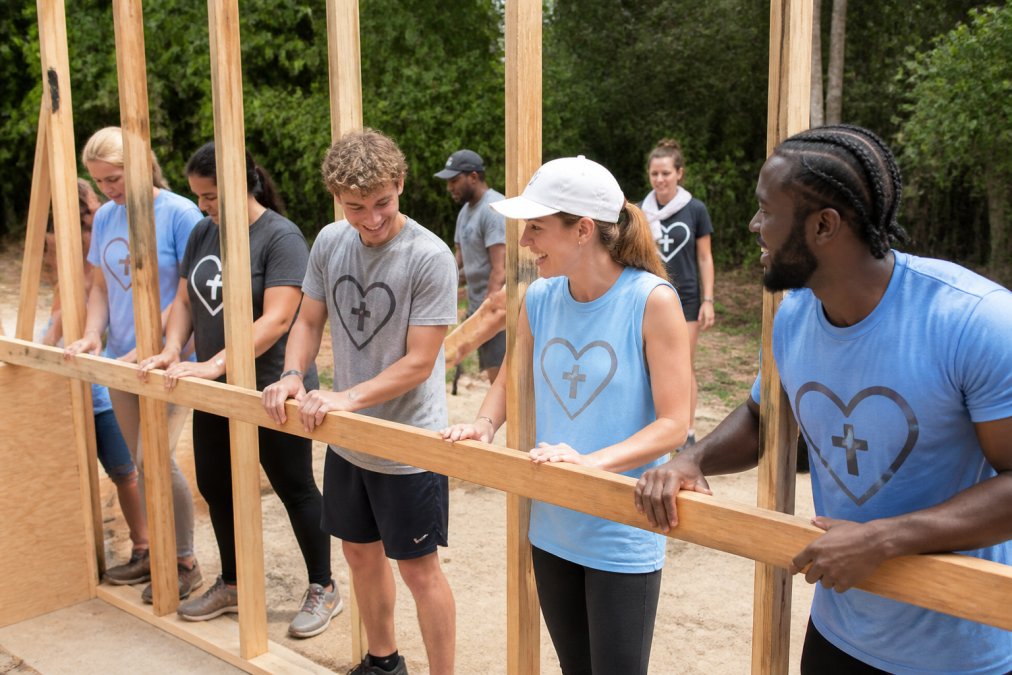
Real humanitarian efforts show up in specific projects with measurable outcomes. Love Revolt Clothing's focus on concrete initiatives, drilling water wells in Africa, supporting Down Syndrome awareness through partnerships like GiGi's Playhouse, grounds their mission in tangible change. These are specific communities and specific people whose lives improve because of purchase decisions made by conscious consumers.
Disaster Relief and Community Outreach
Disaster relief requires rapid response and sustained support. Apparel companies that genuinely support disaster relief maintain relationships with established relief organizations and can mobilize donations quickly. Real disaster relief support means ongoing partnership with communities, transparent reporting on how funds are used, and willingness to adjust support based on actual community needs.
Sustainable Partnerships with Non-Profits
Long-term impact requires sustainable partnerships. When apparel companies build genuine relationships with non-profits rather than one-off donations, they create reliable funding streams. These partnerships work best when both parties are transparent about expectations and outcomes. Mutual accountability strengthens the relationship and ensures donations create real change.
Biblical Principles in Business Operations
Authentic Christian witness extends beyond what a company donates. It includes how they operate day-to-day, treat employees, source materials, price products, and communicate with customers. Biblical principles like stewardship, justice, and honesty should shape every business decision. Companies that integrate these principles into their operations, fair wages, honest communication, quality products, transparent giving, demonstrate that faith isn't just marketing language.
Making Your Purchase Decision
When choosing Christian wear that supports humanitarian causes, start with these decision criteria: Clarity of Impact (percentage to charity and where it lands), Verified Partnerships (established, credible non-profits), Quality Standards (garment durability), Supply Chain Ethics (integrity throughout manufacturing), Transparency (willingness to answer detailed questions), and Alignment with Your Values (veterans, clean water, Down Syndrome awareness, global poverty, disaster relief).
Frequently Asked Questions
How can I verify if a Christian wear brand actually donates to charity?
Check the company's website for specific donation reports, partner non-profit names, and impact metrics. Reputable brands like Love Revolt Clothing publish which causes they support (water wells in Africa, Down Syndrome awareness, veteran support) and how frequently donations occur. Contact the brand directly asking for proof of partnerships with organizations like GiGi's Playhouse. Verify non-profit status through IRS databases. Avoid brands that mention charity vaguely without naming specific organizations or providing donation documentation.
What percentage of my purchase typically goes to charity with Christian clothing brands?
This varies significantly by brand. Mission-driven apparel companies allocate different portions based on their business model, operating costs, and charitable commitments. Some brands donate a fixed amount per item, while others give a percentage of profits. Love Revolt Clothing's approach focuses on meaningful contributions to specific causes like clean water initiatives and veteran support. Ask brands directly about their allocation model before purchasing. Transparency about this breakdown is a sign of authentic charitable commitment rather than performative marketing. For specific details on Love Revolt Clothing's charitable contributions, please visit their website.
How do Christian clothing brands supporting veterans differ from regular faith-based apparel?
Veteran-focused Christian brands explicitly partner with organizations serving military communities and may feature designs honoring service members. These brands often donate to veteran-specific causes like mental health support, job training, and community integration programs. Love Revolt Clothing, founded by a veteran, combines faith-based messaging with direct support for those who served. Look for brands that name specific veteran organizations they partner with and provide impact reporting on how their contributions help active service members and veterans transition to civilian life.
Why does mission-driven Christian wear cost more than regular clothing?
Higher pricing reflects quality materials, ethical manufacturing practices, and charitable contributions built into each purchase. Mission-driven brands invest in durable fabrics that resist shrinking and fading, fair labor practices throughout their supply chain, and meaningful donations to specific causes. You're paying for transparency, accountability, and tangible impact, not just a logo. Brands that support global humanitarian efforts like water well drilling and disability awareness programs require sustainable business models to maintain those commitments long-term.